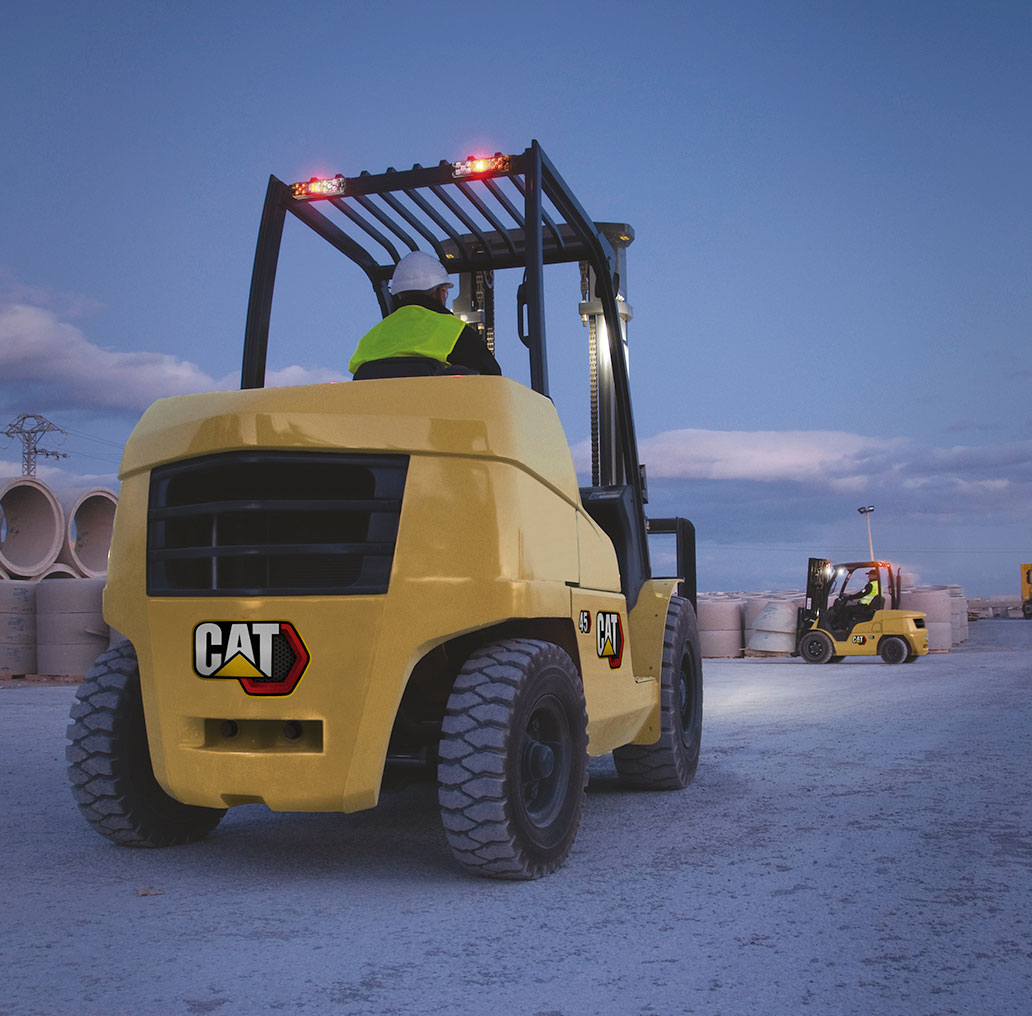
Among all charger specifications, voltage matching is one of the most critical factors. Using the wrong forklift battery charger may reduce charging efficiency, shorten battery life, or even damage the battery system. Therefore, understanding forklift charger voltage requirements can help businesses improve operational efficiency and reduce maintenance costs.
Why Forklift Charger Voltage Matters
First of all, every electric forklift battery is designed to operate at a specific voltage. The charger must match the battery voltage correctly to ensure safe and efficient charging.
If the charger voltage is too low, the battery may not charge fully. This can lead to shorter operating time and reduced forklift productivity. On the other hand, if the charger voltage is too high, the battery may overheat or become damaged during charging.
In addition, proper voltage matching helps:
- improve charging efficiency
- reduce battery overheating
- extend battery service life
- lower maintenance costs
- maintain stable forklift performance
Because of these reasons, selecting the correct forklift battery charger should always start with understanding the forklift battery voltage.

Common Electric Forklift Battery Voltages
Different forklifts use different battery systems depending on their size, lifting capacity, and operating environment. The most common forklift battery voltages include 24V, 36V, 48V, and 80V.
24V Forklift Battery Charger
Generally speaking, a 24V forklift charger is used for small electric forklifts, pallet jacks, and warehouse stackers. These forklifts are commonly found in:
- retail warehouses
- small storage facilities
- supermarkets
- light-duty material handling environments
A 24V system is suitable for operations that require flexibility and moderate working hours.
36V Forklift Battery Charger
Compared with 24V systems, a 36V forklift battery charger supports medium-duty forklifts that require more power and longer operating time.
These forklifts are often used in:
- medium-sized warehouses
- logistics centers
- manufacturing workshops
A 36V forklift charger can provide better power delivery while maintaining efficient operation for moderate workloads.
48V Forklift Charger
Meanwhile, 48V forklift chargers are among the most common industrial charging solutions. A 48V system is suitable for:
- heavy-duty electric forklifts
- multi-shift warehouse operations
- large distribution centers
- high-frequency material handling
Because 48V systems deliver stronger power and improved efficiency, they are widely used in modern logistics operations.
80V Forklift Battery Charger
For demanding industrial applications, many large forklifts use 80V forklift battery chargers. These systems are commonly found in:
- container handling facilities
- ports
- mining operations
- heavy industrial environments
An 80V electric forklift charger supports long operating hours and high-load applications, making it suitable for intensive industrial work.
How to Determine the Correct Forklift Charger Voltage
Before purchasing an electric forklift charger, businesses should confirm the forklift battery specifications carefully.
Check the Forklift Specification Plate
Most forklifts have a specification plate that clearly shows the required battery voltage. Common voltage labels include:
- 24V
- 36V
- 48V
- 80V
This information helps users select the correct forklift charger voltage quickly.
Confirm Battery Type
In addition to voltage, battery chemistry is also important. Electric forklifts typically use:
- lead-acid batteries
- lithium-ion batteries
Different battery types require different charging methods and charging algorithms. Therefore, the charger should match both the voltage and battery chemistry.
Match Charger Output Voltage
The charger output voltage must match the battery system exactly. For example:
- a 24V battery requires a 24V forklift charger
- a 48V battery requires a 48V forklift battery charger
- an 80V battery requires an 80V forklift charger
Using a mismatched charger may cause charging problems or battery damage.
Other Factors to Consider When Choosing a Forklift Charger
Besides voltage, several other factors affect charger performance and efficiency.
Working Environment
Firstly, the forklift operating environment affects charger selection. A single-shift warehouse may only need standard charging equipment, while multi-shift operations may require faster charging systems.
Charging Speed
Secondly, charging speed is another important factor. Common charging methods include:
- standard charging
- fast charging
- opportunity charging
Fast charging can reduce downtime and improve productivity in busy warehouse environments.
Smart Charger vs Traditional Charger
Traditional forklift battery chargers usually offer simple charging functions and lower purchase costs. However, smart chargers provide several advantages.
Modern smart electric forklift chargers can:
- automatically adjust charging current
- monitor battery condition
- reduce overcharging risks
- improve charging efficiency
- help extend battery life
Because of these benefits, many businesses now prefer smart forklift charging systems.

Common Problems Caused by Incorrect Charger Voltage
Using the wrong forklift charger voltage can create several operational problems.
Undercharging
If the charger voltage is too low, the battery may never reach full capacity. As a result:
- forklift runtime becomes shorter
- productivity decreases
- charging cycles become inefficient
Overcharging
Excessive voltage may cause:
- battery overheating
- electrolyte loss
- reduced battery lifespan
- safety risks
Increased Maintenance Costs
Incorrect charging may eventually lead to:
- more frequent battery replacement
- unexpected downtime
- higher repair costs
Therefore, choosing the correct forklift battery charger is essential for long-term operational reliability.
Tips for Extending Forklift Battery and Charger Life
To improve charging safety and battery performance, regular maintenance is important.
Businesses should:
- keep battery terminals clean
- inspect cables and connectors regularly
- ensure proper ventilation during charging
- avoid overcharging
- use compatible chargers only
In addition, charging equipment should be installed in clean and dry environments to reduce the risk of electrical damage.
Conclusion
Choosing the correct voltage charger for an electric forklift is essential for battery safety, charging efficiency, and long-term operational performance. Whether using a 24V forklift charger, 36V forklift battery charger, 48V forklift charger, or 80V electric forklift charger, the charger voltage must always match the forklift battery system.
In addition to voltage matching, businesses should also consider battery type, charging speed, working environment, and charger quality when selecting a forklift battery charger. Proper charger selection helps reduce downtime, extend battery life, and improve overall warehouse productivity.
As a professional electric forklift charger manufacturer, ST Charger provides reliable charging solutions for various industrial applications. The company offers high-quality forklift battery chargers, including 24V, 36V, 48V, and 80V charging systems for lead-acid and lithium batteries. With advanced charging technology, safety protection features, and professional technical support, ST Charger helps businesses improve charging efficiency and maintain stable forklift operations.


Leave a comment